
Skip Navigation
November, 19, 2026  |  Mike Rowlands  |    |    | 

Elvis & Kresse: Cultivating Inspiration
What changes when purpose shapes not just what a business sells, but how its entire system works?

Mike Rowlands
Partner and CEO of Junxion, Mike has spent more than 20 years working to catalyze social responsibility and sustainability.

In October, Junxion gathered in London for our first all-hands retreat in three years. As part of our strategic planning, we visited Elvis & Kresse at New Barns Farm in Kent, seeking inspiration for our own future in service of our purpose.

Elvis & Kresse makes luxury accessories from reclaimed materials and has been a Certified B Corporation since 2015. What made the visit compelling was seeing a shining example of a true purpose-driven business: its purpose continued to open up new questions, informing every aspect of the business.

For consumer goods companies and fellow B Corps, this presents a useful challenge: Where is purpose changing the design of the business itself—and how can it inspire new ways of thinking about the role and impact of business in a warming world?

Start With the Problem, Not the Product

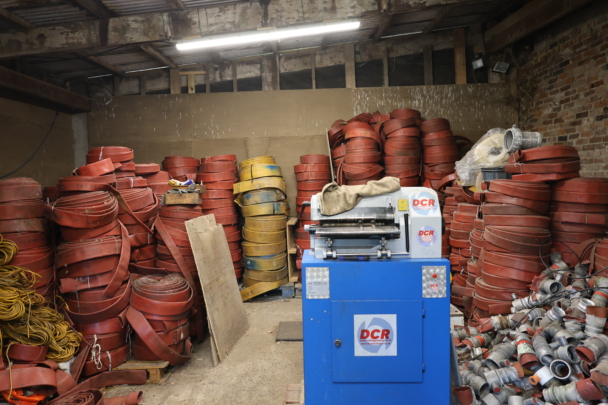
Interestingly, Elvis & Kresse did not begin with an ambition to sell luxury bags.  In 2005, its founders encountered decommissioned fire hoses destined for landfill and decided they had to find another future for them.

The product followed the problem, rather than the other way around. Through experimentation, those hoses became belts, wallets, bags, and other accessories.
Rather than designing a conventional product and then seeking a more responsible version of its materials, the founders asked what an overlooked resource could become.

This approach is also woven into the details of design. A length of fire hose is approximately 10 centimetres wide, so the company designs its patterns around that width and its subdivisions.

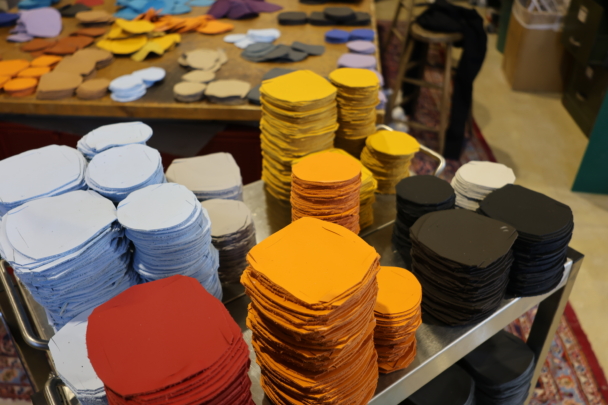
The brand has partnered with luxury brands, including Burberry and Rolls-Royce, to rescue and upcycle leather offcuts. This means working with the colours available rather than specifying a palette.

So, the constraint becomes part of the creative brief. Purpose, in this case, helps determine which products get made in the first place, and how they are designed. 
Redesign the Entire System

A circular product wasn’t the end of the story. In 2021, Elvis & Kresse moved to New Barns Farm to pursue a broader regenerative approach to its operations.

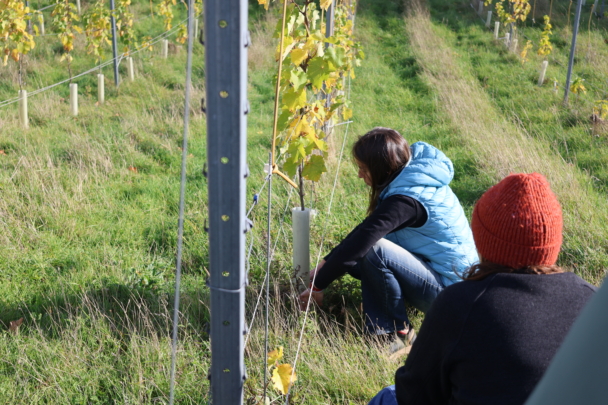
During a guided tour of the farm property where their company operates, Kresse walked us through how they explored every option to sequester carbon and become net-positive: from carbon capture, to tree planting, to regenerative farming—and that last one stuck.

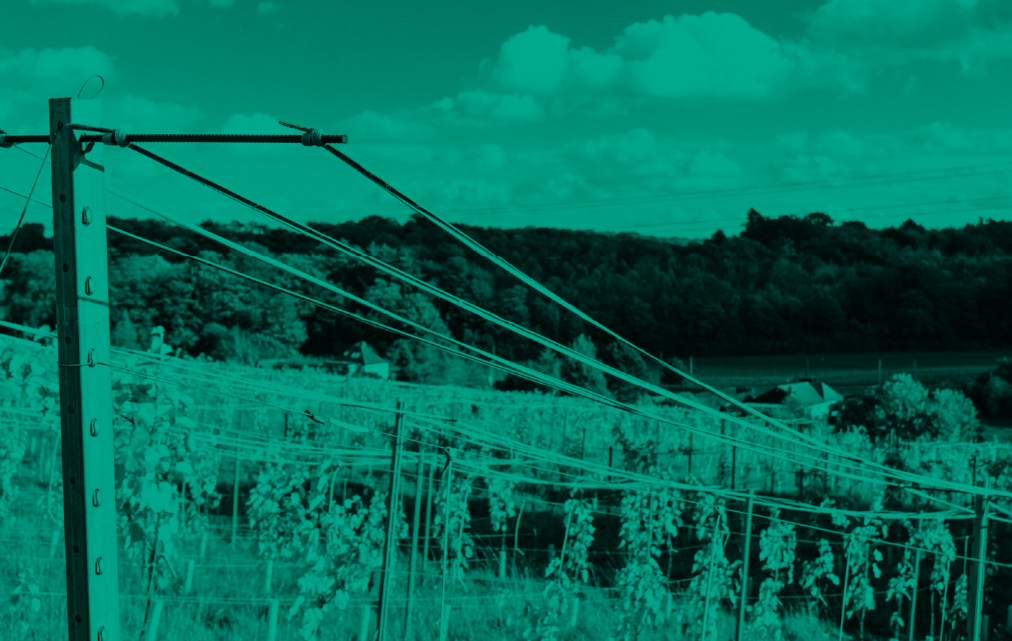
Today, the site brings together a straw-bale workshop powered by renewables, a wetland wastewater treatment system, and a vineyard managed with soil health and biodiversity at the forefront.
The farm’s commitments include enhancing biodiversity, cleaning more water than it uses, sequestering more carbon than it emits, and generating more renewable energy than it consumes.

Beyond reducing the harm associated with a product, our tour of the farm showed us all the ways in which Elvis and Kresse were constantly asking: how can the business improve the systems it depends on?

The farm is built on a strong principle: kill nothing, just add more life

This invites a wider view of responsibility for all businesses. Sure, a better material choice matters, but so do the conditions in which materials are grown or recovered, the energy used to transform them, and what happens after a customer has finished with the product.

Resilience and Dependencies

The farm offered a particularly practical example of resilience by design.

The UK imports around 60% of its nitrogen fertilizer, leaving farmers vulnerable to disruption in global markets. In 2026, the conflict in Iran and disruption around the Strait of Hormuz brought that vulnerability into focus, putting pressure on fertilizer supplies and driving up prices. According to the National Farmers’ Union, fertilizer prices in April were almost 40% higher than before the conflict.

Instead of relying on synthetic fertilizers, Elvis & Kresse makes compost and compost tea using locally available resources, including neighbours’ horse manure, food waste from a local farm shop, and spoiled produce from the farm itself.

Mutually beneficial relationships with neighbours and local businesses are part of the farm’s operating system, helping it recover nutrients that would otherwise go to waste.

That does not make the farm immune to drought, spring frosts, or uncertain harvests, but producing its own fertilizer reduces its exposure to the price and availability of externally supplied synthetic fertilizer. Rather than simply preparing to absorb another shock, the business has redesigned one of the dependencies through which that shock could reach it.

This connects directly with how we think about climate, circularity, and organizational resilience. Resilience involves the ability to respond when conditions change, but it also requires rethinking and redesigning the business so that fewer disruptions become crises.

Purpose becomes tangible when it changes the systems that a business depends on

Rethinking the Meaning of Creativity

Our conversation also turned to the fashion industry and the gap between its creative reputation and its reliance on familiar materials and ways of working.

The sector is filled with creative minds, trained at leading institutions, but continues to return to the same materials and production models.

As Kresse described it, even promising material innovations can become a seasonal novelty: one or two runway looks, rather than a lasting change in what a company makes or how it operates.

Circularity risks becoming another turn in the trend cycle, rather than challenging the cycle itself

A new collection can change how a product looks without changing the system behind it. A different design brief can ask how to use an existing resource more fully, keep a product useful for longer, or make repair a practical part of the customer relationship. It can also ask what would need to change across the supply chain for a promising experiment to become an enduring practice.

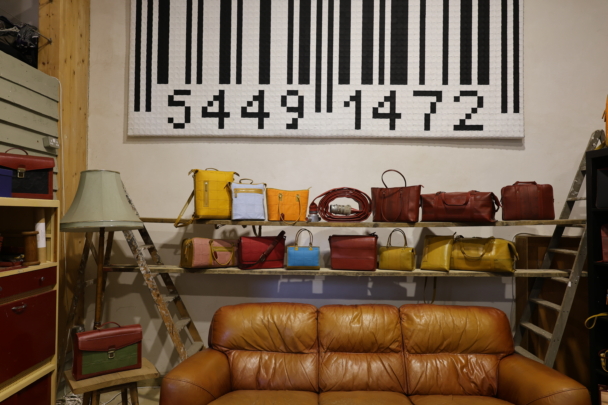
An art piece in the main workshop depicts Coca-Cola can’s barcode, crafted from 2,190 pieces of rescued leather, asking what might be possible if the creativity that built an iconic brand were turned toward responsibility for the millions of bottles it leaves behind.

The invitation is to use circularity to cultivate resilience and creativity. Apply that creativity to the materials, operations, and partnerships behind the product, not only the next launch.
Bring the Farm into Practice

The choices we encountered at New Barns Farm offer practical prompts for decisions already on a leadership team’s agenda.

Not every business needs a vineyard, but every business can ask how its purpose shapes its decisions, its relationships, and the experience it creates.

Make Purpose Something People Experience

We didn’t need Elvis & Kresse to tell us what it stands for—we already knew.

Its purpose was evident in the materials, the surroundings, and the care with which we were welcomed. Our hosts’ generosity and focus gave us the feeling that being together wasn’t just part of their day. It was their day.

For other businesses, the starting point is to examine where people encounter the organization. Where does their experience reinforce the purpose, and where does it contradict it? Integrity becomes tangible through these everyday interactions.

Tell Stories That Challenge the Familiar

Kresse’s storytelling was equally memorable. Provocative descriptions like “McWine” and “fermented death” challenged familiar assumptions about the traditional, fertilizer-heavy winemaking process.

The unapologetic boldness of her language made us stop, ask questions, and consider an alternative. The invitation is to be more deliberate with language. This means giving people something specific to understand and act on.

Turn Audacity Into Everyday Decisions

Behind the farm’s ambition, there is a willingness to ask difficult questions about business as usual.

Look into what the business treats as inevitable. Consider what costs are being passed on to others. Explore whether waste, tangible or not, could become useful elsewhere in the business.

This thinking belongs in both everyday decisions and overall strategy. For B Corps, they also offer a way to bring commitments beyond the certification process and into the work of every function.

Give People a Way to Participate

Through Friends of the Farm, which Junxion has now joined, Elvis & Kresse invites people into a mission that is still unfolding.

The invitation extends beyond buying a product to sharing in the work and learning, whether that be through harvest parties, farm days, film screenings, or dinners.

Other businesses can create their own opportunities for participation. Convene suppliers, customers, or peers around a shared challenge, to catalyze changes in the system that benefit the entire sector.

Be Audacious

The excitement we felt at the farm was electrifying. There was conviction about what needs to change, but also generosity and positivity in showing what could take the place of manufacturing and farming practices from an age gone by.

Our visit was part of a conversation about Junxion’s own future, and left us asking where we could bring the same consistency, courage, and care to the decisions that shape our organization.

A business built for a resilient, thriving tomorrow does not need every answer today. It needs the willingness to question familiar choices, the discipline to test alternatives, and the generosity to bring others into the work.

To explore how purpose could guide your next strategic decisions and become more tangible across your business, get in touch!